
45 Years After the First AIDS Reports, the Work Is Far From Finished
October 16, 2026
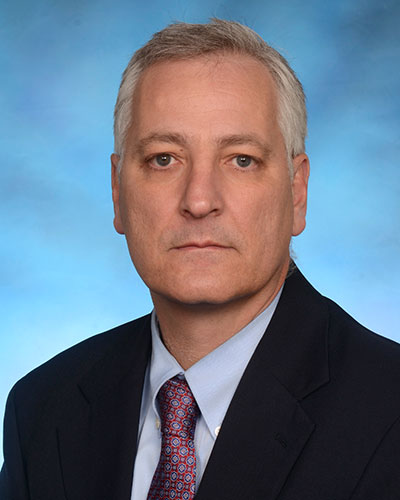
In 1981, the first published reports of what would become known as AIDS offered a clinical description of a mysterious and devastating illness. They documented what physicians were seeing in their patients, but, as Anthony Amoroso, MD, professor of medicine at University School of Medicine(UMSOM), Director, Institute of Human Virology (IHV) Clinical Community Health Programs and Director, IHV Clinical Innovation Programs, reflects four and a half decades later, they could not capture the full human experience of an emerging epidemic defined by fear, stigma, and uncertainty.
“There was enormous fear. There was enormous stigma,” says Dr. Amoroso. The stigma extended beyond individuals to families, churches, hospitals, and entire communities, shaping how people understood the disease and whether they sought care.
Even as scientists worked to identify the cause of AIDS and develop effective treatments, fear created barriers that medicine alone could not overcome. People delayed testing, avoided treatment, and sometimes struggled to tell even their closest loved ones about their diagnosis.
For Dr. Amoroso, those early lessons remain essential to understanding HIV today: scientific progress can transform what is possible, but its impact depends on whether people can access, trust, and benefit from it.
As IHV celebrates its 30th year, that principle is woven into the institute’s history and its continuing mission to translate scientific discovery into meaningful improvements in human health.
Learning From the Realities of the Epidemic
When Dr. Amoroso arrived in Baltimore in 1998, he had already trained in Boston, where he had cared for patients with HIV. But the scale and severity of the epidemic he encountered in Baltimore left a lasting impression.
Patients were arriving at hospitals with life-threatening opportunistic infections, often at advanced stages of AIDS. Physicians worked to stabilize them with the best treatments available, then sent them home with plans to continue their care in outpatient clinics. Too often, those plans fell apart.
He began investigating what happened after patients left the hospital. In one early analysis, he found that only 13% of patients discharged after treatment for a life-threatening opportunistic infection attended their scheduled clinic appointment.
The finding exposed a troubling disconnect. Patients could receive excellent hospital care, yet still be unable to sustain the treatment and follow-up needed to survive.
“We had the access, but we just couldn’t get our patients to see us,” Dr. Amoroso recalls.
The problem challenged the conventional understanding of access to care. Baltimore had knowledgeable clinicians, strong medical institutions, and access to antiretroviral medications. Yet those resources were not consistently translating into better outcomes for the people who needed them most.
He began to see that providing care was not enough. Health systems also had to understand the circumstances, experiences, and concerns of the communities they served. Care needed to be delivered in ways that encouraged people to return, remain engaged, and trust the institutions responsible for their health.
That realization helped shape Dr. Amoroso's approach to HIV research and clinical practice, moving beyond the immediate needs of individual patients toward broader questions about public health, continuity of care, and how to make treatment effective over the long term.
From Measuring the Virus to Transforming Treatment
The scientific advances of the past four decades have dramatically changed the outlook for people living with HIV. Dr. Amoroso points to one breakthrough that he believes deserves particular recognition: the development of HIV viral load testing.
Before viral load measurements became clinically available in the mid-1990s, physicians relied heavily on CD4 counts to monitor patients' immune health. They could see when a patient's condition deteriorated, but they had fewer tools to understand how effectively treatment was controlling the virus itself.
The ability to measure HIV in the blood changed that equation. Clinicians could monitor viral replication, assess whether medications were working, and better understand how treatment failure and drug resistance developed. That knowledge helped guide the evolution toward more effective combination therapies.
For Dr. Amoroso, this is a powerful example of translational science at work: a scientific advance that changes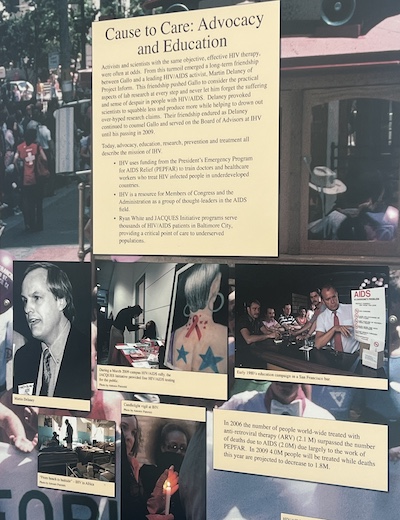 not only what researchers know, but also what physicians can do for patients.
It is also part of what drew him to IHV. He joined the institute motivated by the promise of HIV vaccine research and the opportunity to contribute to a major scientific challenge.
“It was a big mission,” he says, describing the vaccine effort as something of a moonshot. “It was good for the soul to work on something like that.”
IHV and researchers around the world invested years of effort in understanding antibodies that could neutralize HIV and potentially inform vaccine development. Although those efforts have not yet delivered an effective preventive vaccine, they have deepened scientific understanding of the virus and the challenges involved in preventing infection.
The path to a cure has likewise proved to be a challenge. Yet Dr. Amoroso emphasizes that the pharmaceutical advances made alongside vaccine and cure research represent an extraordinary success. HIV treatment has evolved from early, limited options to highly effective therapies that can suppress the virus and allow people to live longer, healthier lives.
The challenge now is to build on that success while continuing to pursue the scientific breakthroughs that remain elusive.
The Next Frontier: Making Prevention Work for Everyone
Today, Dr. Anthony Amoroso sees tremendous promise in new approaches to HIV prevention, including long-acting medications that can reduce the burden of taking daily pills. These developments offer new opportunities to reach people who might benefit from prevention but face practical or personal barriers to using existing options.
But the central question has evolved. It is no longer only whether science can produce effective tools. It is whether health systems can deliver them consistently, affordably, and evenly.
“We have the tools, you know, we have the science, we have the tools to prevent HIV,” he says.
What remains is the challenge of implementation: building the clinical infrastructure, funding mechanisms, and trusted relationships needed to make prevention accessible at scale.
That challenge is particularly visible in Baltimore, where Dr. Amoroso has spent much of his career. He has seen how successful public health approaches developed through international HIV programs can offer valuable lessons for local care. He has also seen how difficult it can be to adapt those approaches to the U.S. healthcare system, where insurance requirements, funding, and gaps in public health infrastructure can stand in the way.
For him, the comparison underscores the importance of learning across communities and borders. The experience gained through IHV's international work can inform efforts at home, just as lessons from Baltimore have contributed to HIV programs abroad.
Dr. Amoroso is encouraged by growing interest in prevention and the referrals he is seeing for pre-exposure prophylaxis, or PrEP. He believes these developments signal meaningful progress, even as significant barriers remain.
“I think there’s tremendous hope,” he says. “We just have some hills to climb in the prevention world, but we’ll get there.”
Thirty years of IHV and the Work Ahead
As IHV marks three decades since its founding, Dr. Amoroso's reflections offer a reminder of what sustained scientific commitment can accomplish and what it takes to turn discovery into lasting change.
The institute's history is part of a much larger story: researchers working to understand a virus, clinicians finding better ways to treat patients, and public health teams building programs to reach communities across the globe. That work has contributed to remarkable advances, even as persistent disparities remind us that progress is not experienced equally by everyone.
The earliest AIDS reports documented a medical crisis whose full dimensions were still unknown. Forty-five years later, the scientific understanding of HIV has advanced enormously. Yet the lessons he draws from those early years remain relevant: fear and stigma can undermine effective interventions, access must mean more than the availability of a clinic or medication, and even the most promising scientific tools must be delivered in ways that people can trust.
For IHV, these lessons reinforce the importance of bringing research, clinical care, and public health together. They also point toward the next chapter of HIV work — one in which expanding access to effective prevention and treatment is as important as continuing to push the boundaries of discovery.
The first reports of AIDS marked the beginning of a long and difficult journey. Forty-five years later, that journey continues, shaped by extraordinary scientific progress and an enduring responsibility to the people and communities most affected.
As IHV celebrates its 30th anniversary, Dr. Amoroso's message is ultimately one of persistence and possibility: the tools are improving, the knowledge is growing, and the opportunity to make a difference remains. The task ahead is to ensure that the benefits of those advances reach everyone who needs them.
Contact
Jennifer Gonzales
Institute of Human Virology
jennifer.gonzales@ihv.umaryland.edu
Related stories
Tuesday, October 13, 2026
IHV at 30: Three Decades of Discovery, and a Mission That Reaches Beyond the Lab
For George Lewis, MD, one of IHV’s longest-serving researchers, the Institute’s legacy is measured not only in scientific discoveries, but in the lives changed when research meets real-world needs.
Thursday, October 01, 2026
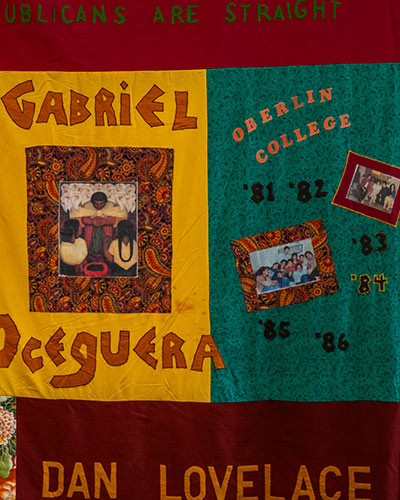
AIDS Memorial Quilt Brings HIV History and Community Legacy to UMSOM
For a week in mid-September, sixteen panels from the famous AIDS Memorial Quilt were displayed at the University of Maryland, School of Medicine (UMSOM), helping to connect the University community with the history of the HIV/AIDS epidemic and the people whose lives were lost to HIV/AIDS.
Tuesday, September 15, 2026
Study Published in AIDS Supports Integrating Chronic Disease Screening into HIV Care for Young Adults
Research by IHV and Ciheb Global investigators highlights the importance of addressing cardiovascular and metabolic health as people living with HIV age.
Monday, November 24, 2025
New Study Identifies Key Mechanism Driving HIV-Associated Immune Suppression
Researchers from the Institute of Human Virology (IHV) at the University of Maryland School of Medicine have discovered how a specific type of immune cell may contribute to the persistence of HIV infections. The finding offers new insight into why the virus remains difficult to cure even with effective antiretroviral therapy.
Wednesday, March 20, 2024
New Study Reveals Insights into Lack of Durability in COVID Antibody Response to Infections & Vaccines
Researchers at the Institute of Human Virology (IHV) at the University of Maryland School of Medicine published a new study in the Journal of Infectious Diseases investigating the short-lived antibody response following SARS-CoV-2, the virus that causes COVID.
Friday, November 17, 2023
Major Funding of Partnership for HIV/AIDS Progress (PFAP) Award from the National Institute of Health (NIH) Office of AIDS Research to the Research Initiative on Infectious Disease and Subst
The Institute of Human Virology (IHV) at the University of Maryland School of Medicine (UMSOM) received an annual award for $3 million funded by the NIH Office of AIDS Research. The PFAP award is projected to total approximately $9 million over four years. Principal Investigators are Elana Rosenthal, MD and Sarah Kattakuzhy, MD, MPH.
Thursday, June 22, 2023
STAT: A looming penicillin shortage threatens pregnant adults with syphilis and their newborns
Pfizer announced last week that it expects to run out of a key drug for treating syphilis in the near future — a looming problem that health professionals say could exacerbate syphilis rates, widen racial disparities in sexually transmitted diseases, and stymie global access to the antibiotic, especially within lower-income countries. The drug in question is Bicillin, an injectable, long-acting form of penicillin most commonly used to treat syphilis in adults as well as childhood infections.
Thursday, April 27, 2023
Current HIV Research: Milestones: Dr. Robert C. Gallo and the Discovery of HIV-1
In this issue of the journal, we inaugurate a new series entitled “Milestones.” This series will encompass interviews with some of the pioneers that have laid the foundations of HIV research. Revisiting these landmarks while taking into account the prospect of their founders should be an inspiration to our readers, particularly the youngest generation. Nobody better than Dr. Robert Gallo could be the protagonist of the inaugural “Milestone,” with his recount of the discovery of HIV-1, the causative agent of AIDS, and the development of the first blood test to diagnose HIV-1 infection.
Tuesday, March 28, 2023
Two-Time Lasker Awardee and Internationally Acclaimed Virologist, Robert C. Gallo, MD, To Step Down as Director of UM School of Medicine’s Institute of Human Virology (IHV)
Robert C. Gallo, MD, one of the world’s leading virologists and cancer researchers, announced he has stepped down from his position as Director of the Institute of Human Virology (IHV) at the University of Maryland School of Medicine (UMSOM), effective March 24.
Wednesday, January 18, 2023
BBC: The scientist who smuggled HIV in her bag into her country to study it and save lives
Acquired immune deficiency syndrome, AIDS, had been recognized as a new disease in 1981, when an increasing number of young homosexuals died of unusual infections and rare cancers. It was also known to affect intravenous drug users and some were known to have contracted it through blood transfusions.
Friday, January 06, 2023
USA Today: Fact check: Research proves HIV is the cause of AIDS, contrary to viral claim
The claim: There is no proof HIV is the cause of AIDS. A Dec. 15 Facebook video shows Kary Mullis, a scientist known for denying the link between HIV and AIDS, claiming again there is no proof HIV is the cause of AIDS. The post was shared more than 1,000 times in a week. The clip comes from a 2009 documentary that promoted AIDS denialism, which has more than 300,000 views on YouTube.
Wednesday, December 21, 2022
Lead Stories: Fact Check: Doctor Did NOT Say On Video That He Manufactured AIDS As Bio Weapon -- This Is A Soviet-Era Disinformation Hoax
Did an American doctor admit on video that he created the HIV and AIDS viruses in a U.S. military medical laboratory, Fort Detrick, so that they could be used as biological weapons for depopulating the world? No, that's not true: Dr. Robert Gallo, the doctor featured in the video, makes no such admission in the footage, and told Lead Stories that his scientific work was not part of any plan to weaponize HIV/AIDS. Historical records show that the claim is a well-documented hoax that dates to a Soviet disinformation campaign from the 1980s.
Thursday, December 01, 2022
Everyday Health: 10 Facts About HIV/AIDS Everyone Should Know
A basic understanding of HIV and AIDS can help dispel the myths, erase stigma, prevent virus transmission, and save lives — beginning with your own.
Wednesday, November 30, 2022
World AIDS Day: IHV’s International Leadership in Combatting AIDS
Each year, World AIDS Day is held on December 1 as an opportunity to unite in solidarity for the fight against HIV, honor people living with HIV, and those lost to an HIV/AIDS-related illness. The Institute of Human Virology (IHV), and particular, its Founder and Co-Director Robert C. Gallo, MD, The Homer & Martha Gudelsky Distinguished Professor in Medicine, and its many members have made many contributions and advancements towards preventing, treating, and developing a cure for HIV.
Monday, October 31, 2022
NCI Grants Awarded to IHV to Prevent Cancer and Improve Screening in Sub-Saharan Africa
Institute of Human Virology (IHV) researchers at the University of Maryland School of Medicine (UMSOM) have received two five-year awards from the National Institutes of Health’s National Cancer Institute (NCI) for a total of $7.5 million. One award aims to reduce the incidence of lung cancer and other cancers associated with using tobacco in Botswana. The other is focusing on improving screening and treatment of anal precancer in Nigeria. Both grants will make use of existing HIV treatment and prevention infrastructure in low- and middle-income countries to reach people living with HIV who are most at risk for these particular types of cancers.
Wednesday, September 28, 2022
TheBody: What Is HIV Remission?
A cure for HIV remains elusive, but one word that is commonly heard is “remission.” Even though it doesn’t mean eradication of the virus, remission is a good thing. But what exactly is remission? Can HIV go into remission? And how does it differ from a cure? Generally, remission means that a disease has stopped being active but hasn’t necessarily been eliminated.
Wednesday, September 21, 2022
Baltimore Fishbowl: ‘AIDS ain’t over’: Supporters look back on 35 years at AIDS Action Baltimore
Six people were honored on Sunday for their support of AIDS Action Baltimore, as it marks its 35th anniversary. More than 150 people gathered at The Belvedere to mark the occasion and pay tribute to the honorees and executive director Lynda Dee.
Monday, September 19, 2022
TheBody: HIV Seroconversion: Timeline, Symptoms, Testing, and Treatment
There are several stages of HIV infection—from the initial exposure to the virus to the development of AIDS—but a lot of important changes happen during the earliest stage: seroconversion. So, exactly what is HIV seroconversion? It is the stage in which the immune system first starts to make antibodies to try to fight HIV after exposure. Once detectable levels of antibodies are produced, this is described as seroconversion.
Monday, September 19, 2022
TheBody: What Are the Chances of Getting HIV from One Exposure?
You had a one-night stand with someone of questionable HIV status. Now the panic begins. Could you have HIV after only one exposure? What are the odds?

Tuesday, May 31, 2022
Medscape: Fatigue Affects Cognitive Processing Speed in the Aging HIV Population
Successful aging is something that most of us strive for. But with aging comes a pervasive condition called fatigue that, in many older adults, interferes with everyday functioning, mental health, social support, and overall quality of life. The relationship between fatigue and cognitive and functional impairment is one of particular interest in people living with HIV (PWH), a patient population that is disproportionately affected but whose lifespan now matches that of the general population.
Friday, May 20, 2022
NIH Grant Awarded to Study HIV Drug-Resistant Genetic Mutations Across Africa
University of Maryland School of Medicine (UMSOM)’s Institute of Human Virology (IHV) researchers received funding from the National Institutes of Health’s National Institute of Allergy and Infectious Diseases (NIAID) for $2.7 million to study genetic changes in two genes from the HIV-1 virus that may make it resistant to antiretroviral therapy. The study, named INSPIRE, will analyze genetic variation in types of HIV circulating in a handful of African countries that will help to better understand the implications of these mutations and will improve clinical management of patients.
Tuesday, May 10, 2022
Medscape: Decentralizing PrEP Offers a Roadmap for Retention
Good solutions have great roadmaps. For HIV preexposure prophylaxis (PrEP), the road map might just be that of contraceptive care. Once an onerous process, over time contraceptive care exploded into a range of options across a broad landscape in terms of approach and accessibility. How then do organizations help vulnerable patients navigate their PrEP journeys using the contraceptive roadmap as a guide?
Tuesday, April 12, 2022
'Live' Polio Vaccine Fires Up Immune System Providing Protection from SARS-CoV-2 Infection
Two new studies from the Global Virus Network, including the University of Maryland’s Institute of Human Virology and in partnership with the Petroleum Industry Health Organization of Iran, provide evidence that getting the oral polio vaccine made from live, weakened polio-virus may protect people from COVID-19 infection by stimulating the immune system.
Friday, March 18, 2022
Deutsche Presse-Agentur: Virus hunt for decades: US researcher Robert Gallo turns 85
Few scientists in the world can come up with as many successes as Robert Gallo: The US researcher was involved in the discovery of the AIDS virus, found leukemia pathogens and other deadly viruses. Now he is 85 - and works even harder than before.
Thursday, March 10, 2022
Healthline: HIV-1 May Be More Virulent When Transmitted Through Penile-Vaginal Intercourse
HIV-1 can be transmitted through vaginal, anal, and oral sex, whether it’s with a same-sex or different-sex partner. But the risk of developing it seems to vary depending on how the disease is transmitted. In fact, the HIV virus may be more virulent when passed between male and female partners who have penile-vaginal sex than among men who have anal sex with other men, according to a new study from the Indian Institute of Science.

Thursday, March 10, 2022
HIV Plus: One Woman Shares Her Journey of Living with HIV for Over Three Decades
In honoring long-term survivors and National Women and Girls HIV Awareness Day on March 10, I had the opportunity to speak with Ms. Kathy Bennett. She is a 63-year-old Black woman who has been living with HIV for over 31 years. She recently led the longest running HIV support group in Maryland.
Wednesday, February 16, 2022
WBAL: Maryland HIV researcher on latest research: It's not a cure
Scientists used a cutting-edge stem cell transplant method to treat a woman's HIV, but a lead researcher in Maryland said it's too soon to celebrate. A U.S. woman is the third known person who is in HIV remission after receiving stem cells from umbilical cord blood, an American research team announced Wednesday.
Tuesday, February 15, 2022
Multi-Country African Research Reports High Rates of COVID-19-Related Deaths Among Hospitalized Children and Adolescents
African children and adolescents hospitalized with COVID-19 experience much higher mortality rates than Europeans or North Americans of the same age, according to a recently published study conducted by researchers from the Institute of Human Virology (IHV) at the University of Maryland School of Medicine (UMSOM) and the Institute of Human Virology Nigeria (IHVN). Both organizations are members of the Global Virus Network (GVN).
.jpg)
Monday, February 07, 2022
The GW Hatchet: University administers first doses of mRNA HIV vaccine through Moderna partnership
GW was one of the first institutions in the country to administer doses of the first mRNA HIV vaccines to human test subjects late last month. The School of Medicine and Health Sciences and its Vaccine Research Unit collaborated with Moderna to test the safety of the vaccine and the immune responses of two participants in the phase 1 clinical trial.
Friday, February 04, 2022
WYPR: How the COVID pandemic rattled HIV testing
The COVID pandemic did not end the HIV-AIDS epidemic; it may have obscured it for a while, raising hurdles to getting tested for HIV.
Wednesday, January 26, 2022
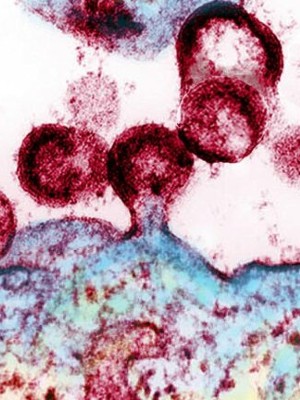
STAT: Early research suggests cancer drug could help flush HIV from its hiding spots
In a study published Wednesday in Science Translational Medicine, researchers looked at 32 patients that had both cancer and HIV and found that pembrolizumab, which revives the immune system and encourages it to attack tumors, also has the ability to flush HIV out of its hiding spot in immune cells.
Wednesday, December 01, 2021
$6.5M Grant Awarded to Develop Treatment for Alcoholic Liver Disease-Associated Kidney Dysfunction
The Institute of Human Virology (IHV) at the University of Maryland School of Medicine (UMSOM) and MitoPower LLC (“MitoPower”) were awarded an SBIR (Small Business Innovation Research) grant of up to $6.5 million over five years from the National Institute on Alcohol Abuse and Alcoholism. The funds will support the development of MitoPower’s lead compound, MP-04, for the treatment of kidney dysfunction due to alcoholic liver disease, a condition known as alcoholic liver disease-associated hepatorenal syndrome (HRS). The IHV, a Center of Excellence member of the Global Virus Network (GVN), will conduct first-in-human single and multiple ascending dose studies to test the safety of the compound, followed by a Phase 1b study in patients.
Wednesday, November 10, 2021
Omaha World-Herald: UNMC researchers develop 'molecular scissors' to target HIV
Researchers at the University of Nebraska Medical Center have used a new method they’re calling a “molecular scissors” to nearly eliminate HIV embedded in the genetic material of human cells.
Tuesday, October 26, 2021
Correio Braziliense: "It's obvious that no vaccine causes AIDS," says one of the virologists who discovered HIV
The virologist, and one of the discoverers of HIV, speaks to Correio about statements by President Bolsonaro live on social media
Tuesday, July 06, 2021
UM School of Medicine Researchers Receive NIH Avant-Garde Award for Out-Of-Box Concept to Cure HIV and Treat Co-Existing Addiction
Linda Chang, MD, MS, Professor of Diagnostic Radiology & Nuclear Medicine at the University of Maryland School of Medicine (UMSOM), received the National Institute on Drug Abuse (NIDA) 2021 Avant-Garde Award (DP1) for HIV/AIDS and Substance Use Disorder Research, a National Institutes of Health (NIH) Director’s Pioneer Award. This prestigious award supports researchers with exceptional creativity, who propose high-impact research with the potential to be transformative to the field. She will work with Institute for Human Virology (IHV) researchers for this project.
Monday, June 07, 2021
POZ: Integrate Adult and Pediatric HIV Care to Ease Youth Transition to Adult Care
Embedding an adult HIV medicine clinician and care navigator into a Baltimore pediatric HIV clinic led to 95% of young people remaining engaged in adult care one year after transition, according to a report in AIDS Care.
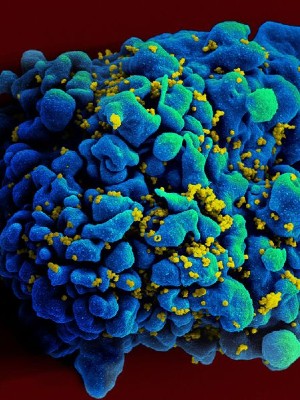
Thursday, May 27, 2021
Baltimore Sun: Maryland researchers study whether HIV cure can come from infusing patients with genetically modified ‘super T cells’
A week ago, a Washington, D.C., man in his 30s with HIV became the first person to be infused with a heaping load of his own genetically modified cells that a Maryland biotech firm believes one day could lead to the elusive cure for the disease. American Gene Technologies’ method involves taking T cells out of a person’s blood and genetically modifying them in the lab to resist infection before they are reinfused. C. David Pauza is the company’s chief science officer and a former professor and researcher at the University of Maryland School of Medicine’s Institute for Human Virology. Another center evaluating entering the study is Maryland’s Institute for Human Virology, confirmed its co-founder and director, Dr. Robert Gallo, who is internationally regarded for his role in discovering HIV and developing a blood test to detect it.
Thursday, April 01, 2021
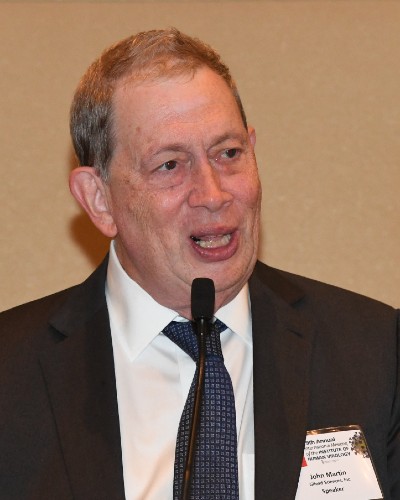
A Statement from the Leadership of the University of Maryland School of Medicine’s Institute of Human Virology on the Passing of Dr. John Martin
The Institute of Human Virology at the University of Maryland School of Medicine mourns the passing of IHV 2014 Lifetime Achievement Public Service Awardee and 2017 Annual Marlene and Stewart Greenebaum Lecturer, John Martin, PhD. Dr. Martin was a leader in supporting access to life-saving anti-HIV medications that although still under patent were made widely and affordably available to millions around the world infected with HIV, and for prevention through pre-exposure drug therapy. He was a tremendous clinical scientist, businessman, global public health leader, philanthropist, and good friend.
Tuesday, March 30, 2021
USA Today Opinion: Why COVID-19 survivors should only get one dose of mRNA vaccine
Data seems to be indicating that survivors of COVID-19 may not need two doses of mRNA vaccine, which would free up more doses for others.
Tuesday, March 16, 2021
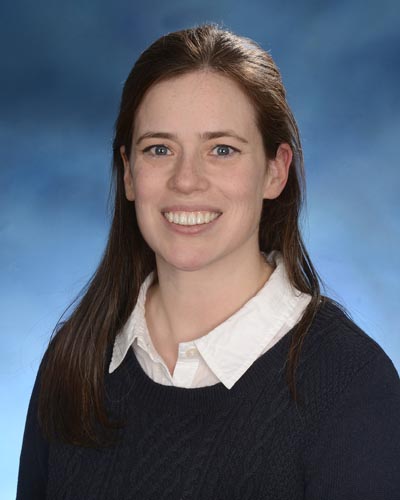
ABC7 WJLA - 7 On Your Side: Doctor rates COVID-19 risks for activities in a partially-vaccinated world
“We see people come in, it's still with really severe disease,” said Dr. Eleanor Wilson, an infectious disease specialist and an associate professor of medicine at the Institute of Human Virology at the University of Maryland School of Medicine.
Thursday, February 04, 2021
WTOP NEWS: What a new U.Md. study says about skipping second doses of COVID-19 vaccine
None of the trials conducted on the Moderna and Pfizer-BioNTech vaccines tested them on people who already had been infected by the coronavirus. Now, a study involving people previously infected with COVID-19 suggests the immune response from getting sick may act like getting a first dose of those double-shot vaccines.
Tuesday, February 02, 2021
Business Insider: People who had COVID-19 may develop 10 times more antibodies after a single vaccine dose - a sign they might only need one shot
Business Insider - People who had COVID-19 developed at least 10 times more antibodies after their first vaccine dose than the average uninfected person who received two doses, new research shows. Another preliminary study similarly found that healthcare workers who had COVID-19 responded to their first shot the way most people respond to their second. The researchers both suggested that post-COVID patients may only need one shot to sufficiently protect them from the disease again.
Friday, January 22, 2021
Getting treatment early for COVID-19
Baltimore (WBFF) — If you test positive for COVID-19, doctors are reminding you to get treatment right away even if your symptoms aren't bad in the moment. Dr. Anthony Amoroso, infectious disease specialist at the University of Maryland School of Medicine, joins the morning show to talk about why that's important.
Monday, December 21, 2020
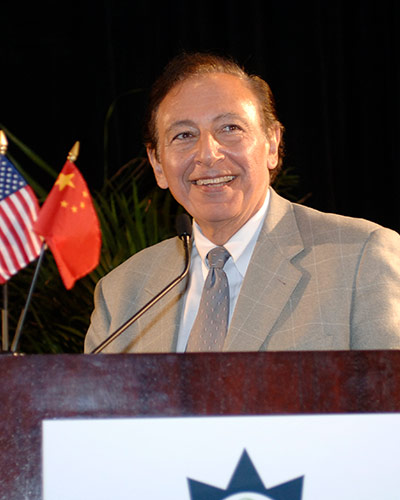
Robert Gallo of the UM School of Medicine Institute of Human Virology and Global Virus Network Awarded Top Life Sciences and Medicine Prize from China
Robert C. Gallo, MD, The Homer & Martha Gudelsky Distinguished Professor in Medicine, co-founder and director of the Institute Human Virology at the University of Maryland School of Medicine and co-founder and international scientific advisor of the Global Virus Network, was awarded the “VCANBIO Award for Biosciences and Medicine,” a significant and authoritative award in the life sciences and medicine field of China. The elite Prize is jointly presented by the University of Chinese Academy of Sciences and the VCANBIO CELL & GENE ENGINEERING CORP, LTD to push forward scientific research, technological innovation and continuous development in the life sciences and medicine field of China.
Tuesday, December 15, 2020
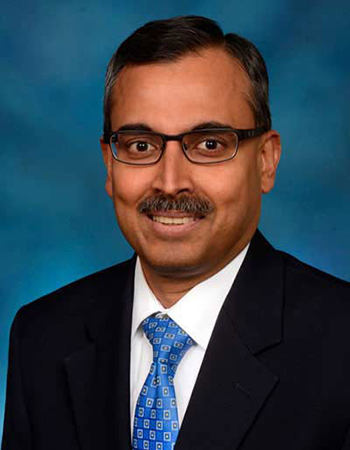
UMSOM Institute of Human Virology’s Shyam Kottilil, MBBS, PhD Receives Top Award from National Physician’s Group
Shyam Kottilil, MBBS, PhD, professor of medicine at the University of Maryland School of Medicine (UMSOM), and Director of UMSOM’s Institute of Human Virology (IHV) Division of Clinical Care and Research, has been awarded Mastership in the American College of Physicians (ACP), the national organization of internists. Dr. Kottilil is also Chief of the Division of Infectious Diseases in the UMSOM Department of Medicine and is a scientific advisory member of the Global Virus Network (GVN).
Friday, December 11, 2020
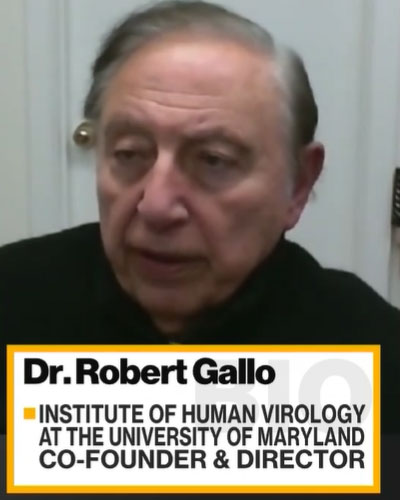
Bloomberg TV Asia: Dr. Robert Gallo on COVID-19 Vaccines
Dr. Robert Gallo, co-founder and international scientific advisor of the Global Virus Network and the co-founder and director of the Institute of Human Virology at the University of Maryland School of Medicine, discusses the rollout of the Covid-19 vaccines. The first Covid-19 vaccine expected to be deployed in the U.S. won the backing of a panel of government advisers, a step that will likely help clear the way for emergency authorization by the Food and Drug Administration. Gallo, who co-discovered HIV as the cause of AIDS in 1984, speaks with Haidi Stroud-Watts and Shery Ahn on "Bloomberg Daybreak: Australia." (Source: Bloomberg)

Wednesday, November 11, 2020
Dr. Robert Gallo on Bloomberg Asia on COVID Vaccine Prospects
Dr. Robert C. Gallo, The Homer & Martha Gudelsky Distinguished Professor in Medicine, co-founder and director of the Institute of Human Virology at the University of Maryland School of Medicine and co-founder and international scientific advisor of the Global Virus Network, discusses the timeline and safety of Covid-19 vaccine trials. He speaks with Shery Ahn and Haidi Stroud-Watts on "Bloomberg Daybreak: Asia".

Monday, October 12, 2020
WJLA (Washington, DC): How long can you spread coronavirus once infected? We found out.
Social distancing, hand hygiene and face masks can help curb the spread of the highly contagious coronavirus but if you do get sick, how long can you spread COVID to others? 7 On Your Side went looking for answers.

Monday, August 31, 2020
UM School of Medicine’s Institute of Human Virology Recruits Top HIV/AIDS Epidemiologist Shenghan Lai Along with Team of Researchers
Robert C. Gallo, MD, the Homer & Martha Gudelsky Distinguished Professor in Medicine, Co-founder and Director of the Institute of Human Virology (IHV) at the University of Maryland School of Medicine (UMSOM), and Man E. Charurat, PhD, MHS, Professor of Medicine, Director of the Division of Epidemiology & Prevention and CIHEB Global Director at the IHV, announced today that Shenghan Lai, MD, MPH and Hong Lai, PhD, MPH, in addition to three staff members, and two more to add, have joined the Institute of Human Virology. The faculty began their positions on April 1 with Professor and Associate Professor academic appointments in the UMSOM’s Department of Epidemiology & Public Health.
Friday, August 28, 2020
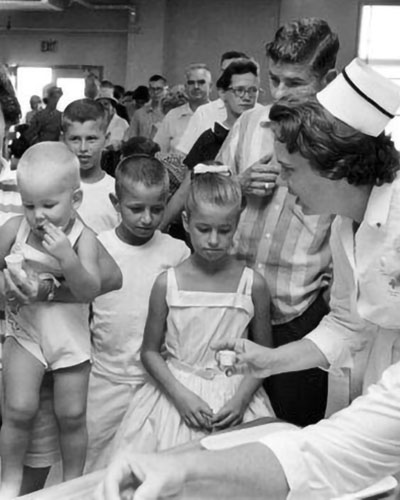
WYPR: Could Polio Vaccine Corral Covid-19?
A safe, effective vaccine against Covid-19 could resurrect jobs, send kids back to classrooms--change our lives. But how safe and effective? And how quickly can we have it? Dr. Robert Gallo, the AIDS-research pioneer now leading virus science at the Institute of Human Virology at the University of Maryland School of Medicine and the Global Virus Network, argues we could get much of the benefit by inoculating people with an old, very cheap drug -- the oral Polio vaccine developed seven decades ago. Gallo contends it would trigger our ‘innate immunity’-- the body’s emergency response when a threat shows up.
Monday, August 03, 2020
Infectious Disease Special Edition: COVID-19 and HIV: Was It a Deadly Mix?
Social distancing is one of the curses of COVID-19, and may fall more heavily on people with HIV than on those without this burden. “People with HIV, and in particular certain subsets of that group—the LGBTQ community, older adults aging with HIV, etc.—face more mental health issues than the general population,” said Sarah Schmalzle, MD, an assistant professor of medicine at the Institute of Human Virology, University of Maryland School of Medicine, in Baltimore. “Many of our patients also already face significant isolation and loneliness due to a combination of HIV stigma, losses of friends and family to HIV, and aging.”

Friday, July 24, 2020
A Statement from the Leadership of the Institute of Human Virology and the Global Virus Network on the Passing of Renowned Chinese Virologist Yi Zeng
The IHV at the University of Maryland School of Medicine and the Global Virus Network (GVN), a coalition comprised of the world’s preeminent human and animal virologists from 55 Centers of Excellence and 10 Affiliates in 32 countries, collectively mourns the passing of Professor Yi Zeng, MD, Academician of the Chinese Academy of Sciences, former President of the Chinese Academy of the Preventive Medicine and former Dean of the College of Life Science and Bioengineering at Beijing University of Technology.
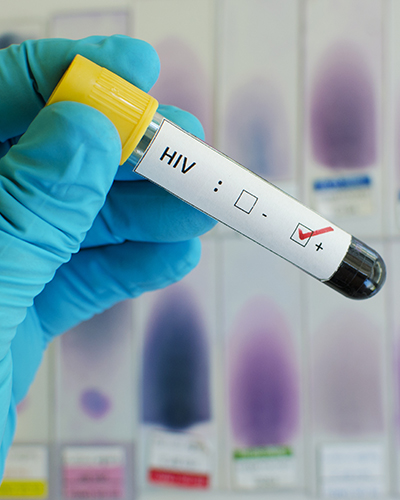
Tuesday, July 07, 2020
Courthouse News Service: Global Progress on Ending HIV/AIDS Derailed by Covid-19
A United Nations program aimed at eliminating HIV/AIDS released a report Monday showing that the global response to the epidemic has fallen far short of goals set for 2020, in large part due to the coronavirus pandemic.
Saturday, April 11, 2020
Institute of Human Virology Honors Legacy of Maeve Kennedy McKean With Global Public Health Fellowship
The Institute of Human Virology (IHV) at the University of Maryland School of Medicine announced today the Maeve Kennedy McKean Global Public Health Fellowship, named in honor of the public health activist, whose inspiring life ended tragically alongside her oldest son last week. The first fellow will arrive on July 1 and will work on the Institute’s efforts in ending the HIV epidemic in Africa within its Center for International Health, Education, and Biosecurity (CIHEB) and Division of Clinical Care and Research.
Friday, March 27, 2020
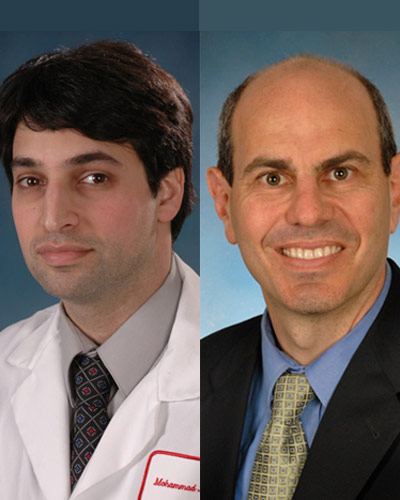
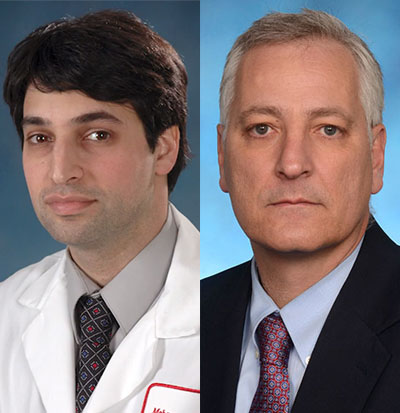
Covid-19 Is Probably Seasonal, But That’s No Reason to Relax (The Washington Post)
Mohammad Sajadi and Anthony Amoroso are associate professors of medicine at the Institute of Human Virology at the University of Maryland School of Medicine and members of the Global Virus Network. As physicians and researchers, we have spoken to doctors across the country over the past few weeks and kept hearing variations on this description of the novel coronavirus’s spread: It’s like a chemical bomb went off. One day everything seemed normal, and the next everyone became sick: patients, nurses, family members.
Monday, June 24, 2019
UM School of Medicine's Institute of Human Virology Awarded $40 Million Grant to Conduct HIV Population Surveys
Man Charurat, MD, Professor of Medicine, Director, Center for International Health, Education, and Biosecurity (CIHEB), and Director, Division of Epidemiology and Prevention, Institute of Human Virology (IHV) at the University of Maryland School of Medicine (UMSOM), has been awarded a five-year grant from the U.S. Centers for Disease Control and Prevention (CDC) to conduct HIV population-based HIV impact assessments worldwide to measure the progress towards the control of the HIV epidemic
Wednesday, May 01, 2019
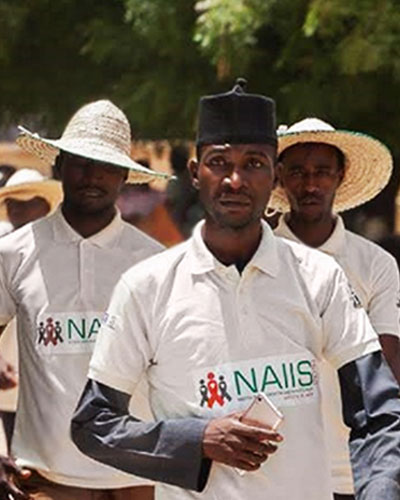
Large National Survey Shows Smaller HIV Epidemic in Nigeria Than Once Thought and Highlights Key Gaps
(CDC) The Government of Nigeria, the U.S. President’s Emergency Plan for AIDS Relief (PEPFAR), CDC, and the University of Maryland School of Medicine released new data from the Nigeria HIV/AIDS Indicator and Impact Survey (NAIIS), one of the largest population-based HIV/AIDS household surveys ever conducted. The NAIIS directly measured HIV prevalence and viral load suppression. According to the NAIIS results, the HIV prevalence in Nigeria is lower than previously thought, allowing the country to focus on providing services to the areas of greatest need to control the HIV epidemic.
Thursday, March 21, 2019
IHV Experts Researching Experimental Drug to Curb Opioid Cravings
Researchers at the University of Maryland School of Medicine (UMSOM) Institute of Human Virology (IHV) are collaborating with scientists at the National Institutes of Health to test an experimental drug to curb opioid cravings.
Wednesday, March 06, 2019
UMSOM Researcher Elected as Fellow to American Academy of Microbiology
Richard Y. Zhao, Ph.D., Professor of Pathology and Associate Member of the Institute of Human Virology (IHV) at the University of Maryland School of Medicine (UMSOM), has been elected as a Fellow to the American Academy of Microbiology (AAM). AAM is an honorific leadership group within the American Society for Microbiology (ASM).
Tuesday, December 11, 2018
Institute of Human Virology's Shyam Kottilil to Receive National Award from American College of Physicians
The American College of Physicians announced that Shyam Kottilil, MBBS, PhD, FACP, Professor of Medicine and Director of the Division of Clinical Care and Research at the Institute of Human Virology (IHV) of the University of Maryland School of Medicine (UMSOM) and Chief of the Division of Infectious Diseases, was awarded the American College of Physicians (ACP) Richard and Hinda Rosenthal Award #1 from the Rosenthal Family Foundation.
Tuesday, December 04, 2018
Institute of Human Virology Researchers Discover That a Bacterial Protein Promotes Cancer
The Institute of Human Virology (IHV) at the University of Maryland School of Medicine (UMSOM) announced today the discovery that DnaK, a protein of the bacterium mycoplasma, interferes with the mycoplasma-infected cell’s ability to respond to and repair DNA damage, a known origin of cancer.
Tuesday, October 23, 2018
Institute of Human Virology Hosts 20th Annual International Meeting of Top Medical Virus Researchers in Baltimore, Maryland
The Institute of Human Virology (IHV) at the University of Maryland School of Medicine yesterday commenced IHV’s 20th Annual International Meeting, to be held through Thursday, October, 25 at the Four Seasons Hotel in Baltimore, Maryland. This year, among other viral and cancer related topics, the meeting is holding special sessions on the 40th anniversary of the first human retrovirus, Human T cell Leukemia Virus (HTLV), and the 15th anniversary of the President’s Emergency Plan for AIDS Relief (PEPFAR). IHV’s Annual International Meeting attracts hundreds of elite scientists who descend upon Baltimore to share ideas and inspire medical virus research collaborations.
Wednesday, September 19, 2018
Institute of Human Virology (IHV) Awarded $12M to Combat Opioid Epidemic Through Clinical Research Trials
The Institute of Human Virology (IHV) at the University of Maryland School of Medicine will lead a $12 million dollar project to improve the morbidity and mortality of people with opioid use disorder (OUD). Utilizing a novel compound, IHV researches will implement a series of investigations, entitled SEARCH, to evaluate the underlying mechanisms of craving reduction as a strategy to prevent opioid misuse, dependence, and relapse. The grant is awarded through the National Institutes of Health’s (NIH) Helping to End Addiction Long-term (HEAL) Initiative, made possible through groundbreaking funding from the U.S. Congress.
Wednesday, March 21, 2018
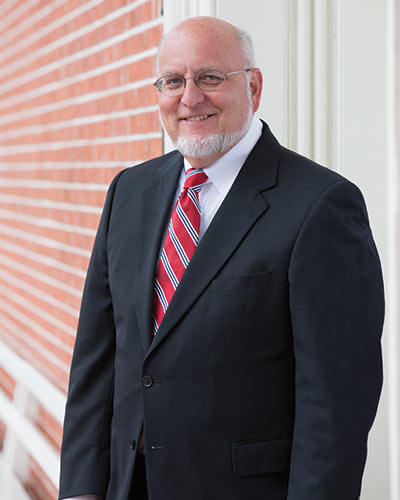
Dr. Robert Redfield, Co-Founder of the Institute of Human Virology at the University of Maryland School of Medicine, to Become CDC Director
The Institute of Human Virology (IHV) at the University of Maryland School of Medicine (UMSOM) congratulates its co-founder and associate director, Robert R. Redfield, MD, on his appointment to be the next director of the U.S. Centers for Disease Control and Prevention (CDC).
Tuesday, March 20, 2018
UMSOM Cancer Expert at Institute of Human Virology Named Fellow of American Society of Clinical Oncology
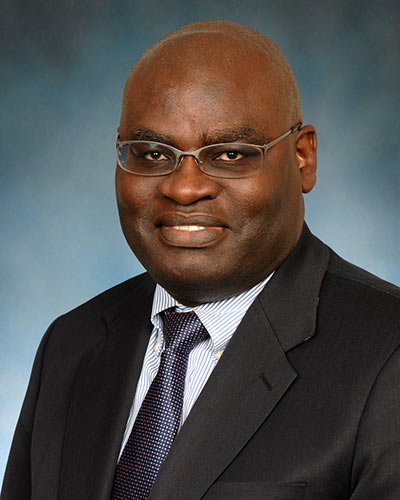
Clement A. Adebamowo, BM, ChB, ScD, FWACS, FACS, Associate Director of Population Science at the Marlene and Stewart Greenebaum Comprehensive Cancer Center, University of Maryland School of Medicine (UMSOM), and Professor of Epidemiology and Public Health, Institute of Human Virology, has been named a 2018 Fellow of the American Society of Clinical Oncology (ASCO).
Wednesday, September 20, 2017
Institute of Human Virology Marks National Gay Men's HIV/AIDS Awareness Day on Wednesday, September 27 as HIV/AIDS Increases in Baltimore’s Youth
The proportion of newly reported HIV diagnoses among Maryland youth has tripled over 20 years. The Institute of Human Virology (IHV) at the University of Maryland School of Medicine will host an event Wednesday, September 27 to raise awareness about the rise in HIV/AIDS among Maryland’s youth ages 13-24, particularly among young black men. Of the 252 youth HIV diagnoses in 2015, 82.5 percent were male and 17.5 percent were female in Maryland while 82.1 percent of these new diagnoses were African American. The statistics are astounding considering the availability of prevention therapy.
Wednesday, August 02, 2017
UM School of Medicine Receives $2 Million Grant for HIV Research in Malawi
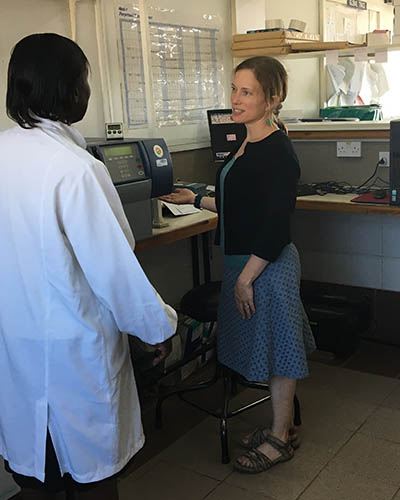
The University of Maryland School of Medicine’s (UM SOM) Institute for Global Health (IGH) and the Institute of Human Virology (IHV) have been awarded a $2 million five-year grant from the Eunice Kennedy Shriver National Institute of Child Health and Human Development to study the impact exposure to HIV has on the immune systems of infants in utero and how those changes impact the ability of infants to fight off infections after birth.
Tuesday, November 22, 2016
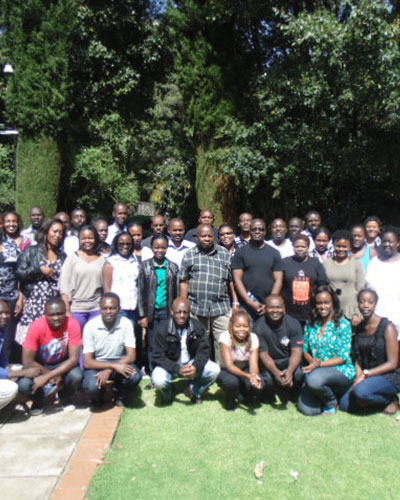
IHV Awarded $138M to combat HIV/AIDS in Africa & Launches Center for International Health, Education, & Biosecurity
The Institute of Human Virology (IHV) at the University of Maryland School of Medicine announced today more than $138 million in multiple five-year grants awarded by the Centers for Disease Control and Prevention to combat HIV/AIDS in Kenya, Tanzania, Zambia, and Nigeria. The Institute concurrently announced the formation of the IHV Center for International Health, Education, & Biosecurity (CIHEB), and its newly appointed director, Deus Bazira Mubangizi, DrPH, MBA, MPH, Assistant Professor of Medicine, Director, Center for Health, Education, & Biosecurity, Institute of Human Virology, University of Maryland School of Medicine.
Tuesday, October 25, 2016
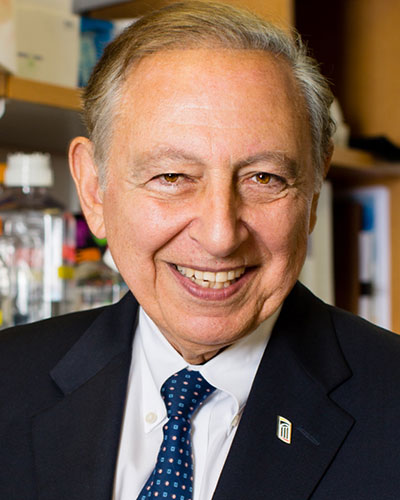
"A Call to End HIV/AIDS in America" IHV Director Dr. Robert Gallo's Op-Ed in the Huffington Post
As the new Administration is presented with great challenges facing the United States, one will be a longtime foe, the U.S. HIV/AIDS epidemic. Since President Barack Obama was elected in 2008, I have publicly called on our country’s leaders to utilize the largest global health initiative in history - the President’s Emergency Plan for AIDS Relief (PEPFAR) - as a model to address the U.S. epidemic.
Wednesday, April 13, 2016
IHV Releases Data Supporting Community-Based Treatment Providers in Fight Against Hepatitis C
The Institute of Human Virology (IHV) at the University of Maryland School of Medicine released data today at The International Liver Congress 2016 in Barcelona, Spain demonstrating that treatment for hepatitis C virus (HCV) can be provided safely and effectively within a community-based and non-specialist setting.
Tuesday, December 01, 2015
A Statement from the Leadership of the Institute of Human Virology on World AIDS Day
Research enabled treatment to be developed for HIV/AIDS, allowing the Institute of Human Virology (IHV) at the University of Maryland School of Medicine (which Dr. Gallo heads and co-founded with his colleagues Drs. William Blattner and Robert Redfield) to develop a promising HIV vaccine candidate, treat nearly 6,000 patients annually in Baltimore, and care for more than 1 million people in Africa and the Caribbean since 2004.
Tuesday, September 29, 2015
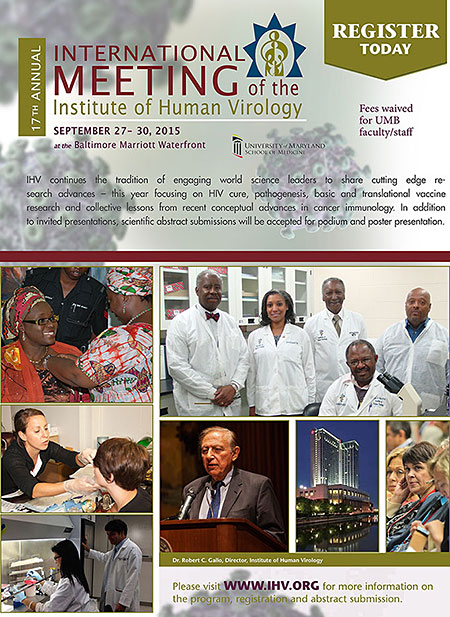
Institute of Human Virology Hosts International Meeting of Prominent AIDS Researchers
The Institute of Human Virology (IHV) at the University of Maryland School of Medicine is hosting IHV’s 17th Annual International Meeting Sunday, September 27 through Wednesday, September 30 at the Baltimore Marriott Waterfront Hotel in Baltimore, Maryland.
Tuesday, June 23, 2015
Institute of Human Virology (IHV) Awarded $24.5M to Fight Botswana’s AIDS Epidemic
The Institute of Human Virology (IHV) at the University of Maryland School of Medicine has received a five-year $24.5 million grant from the U.S. Centers for Disease Control and Prevention (CDC) through the U.S. President’s Emergency Plan for AIDS Relief (PEPFAR) to partner with the Government of Botswana and impact the HIV/AIDS epidemic in Botswana, and to demonstrate that comprehensive HIV/AIDS treatment programs can stop the epidemic. PEPFAR is a $48 billion initiative launched in 2004 by former President George W. Bush, and continued by President Barack Obama, to combat major infectious diseases around the world, including HIV.